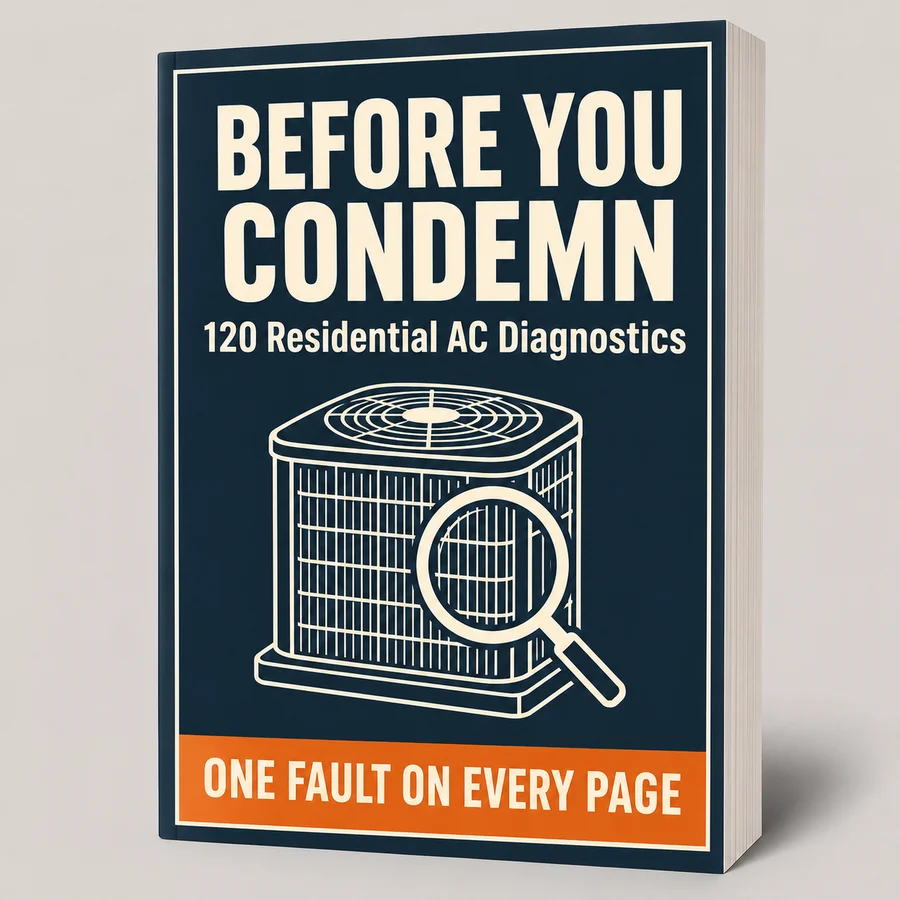
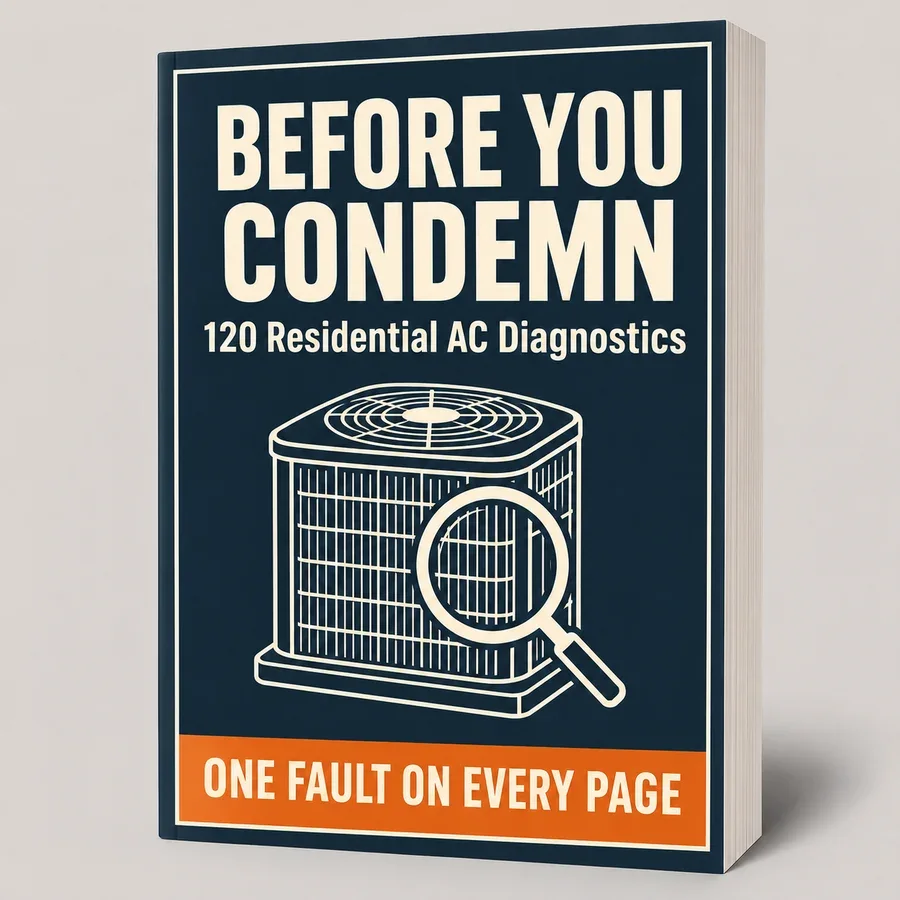
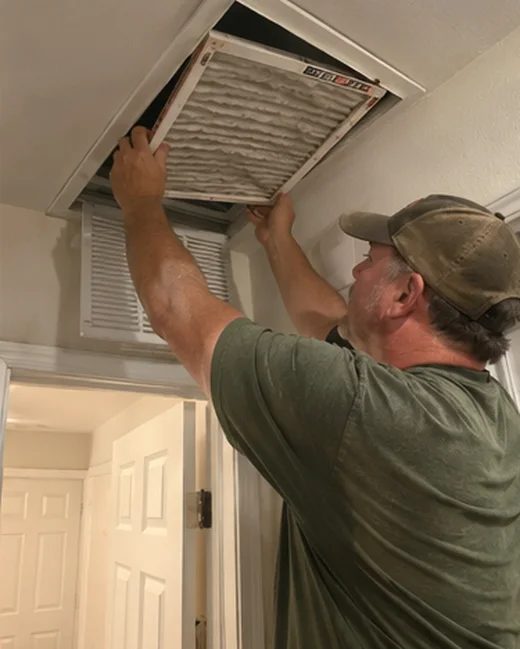
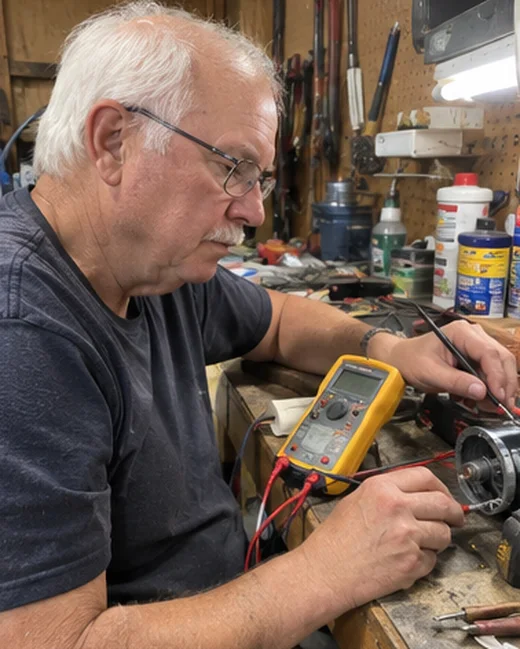
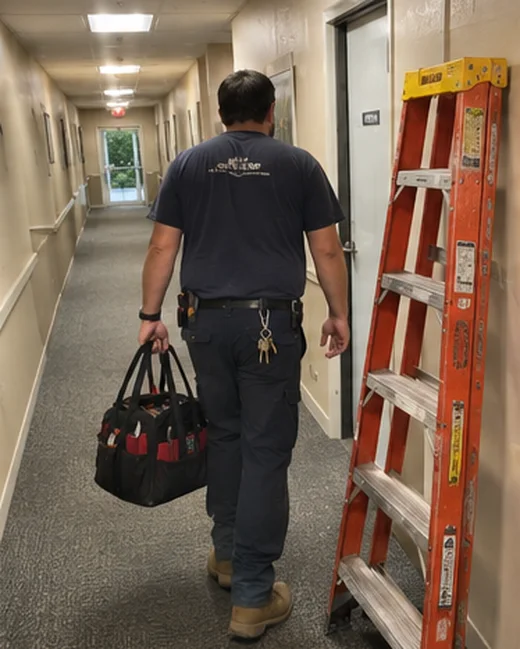
The field library: 120 residential AC faults, one on every page, with the checks in the right order, plus a service ticket and a starter kit, so you stop swapping good parts, stop eating callbacks and take your own calls on your own time.

“the first 3-4 years I was winging it hard”
“Been on my own since 2nd week.”
The median HVAC tech makes $29.33 an hour. Companies bill $100 to $250 an hour for that same tech. That gap pays for trucks, insurance and the office, so it isn't profit. It does show one thing: people pay for the answer. Usually to someone else.
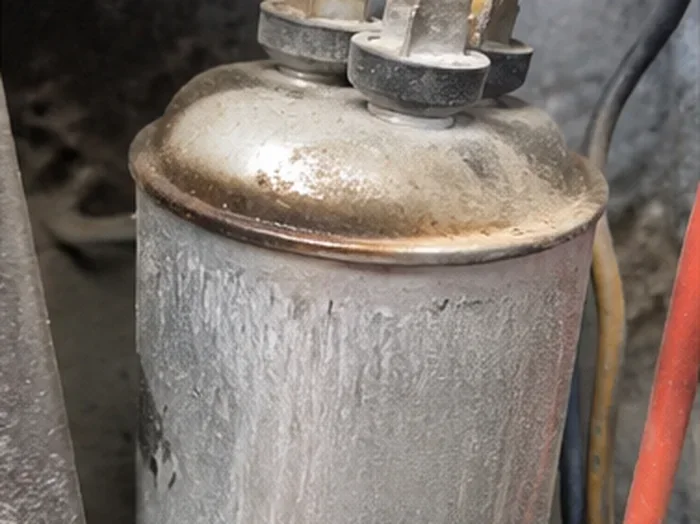
“300 for a cap”
u/xfusion14 on r/HVAC, on what one small company charges
Prices: Angi, 2026 HVAC repair cost guide. Wage: U.S. Bureau of Labor Statistics, May 2025. Retail prices include a company's overhead and are not take-home pay.
The part that looks guilty is almost never first on the list. Check it first and you condemn something good. None of this is a skill problem. It's a reference problem.
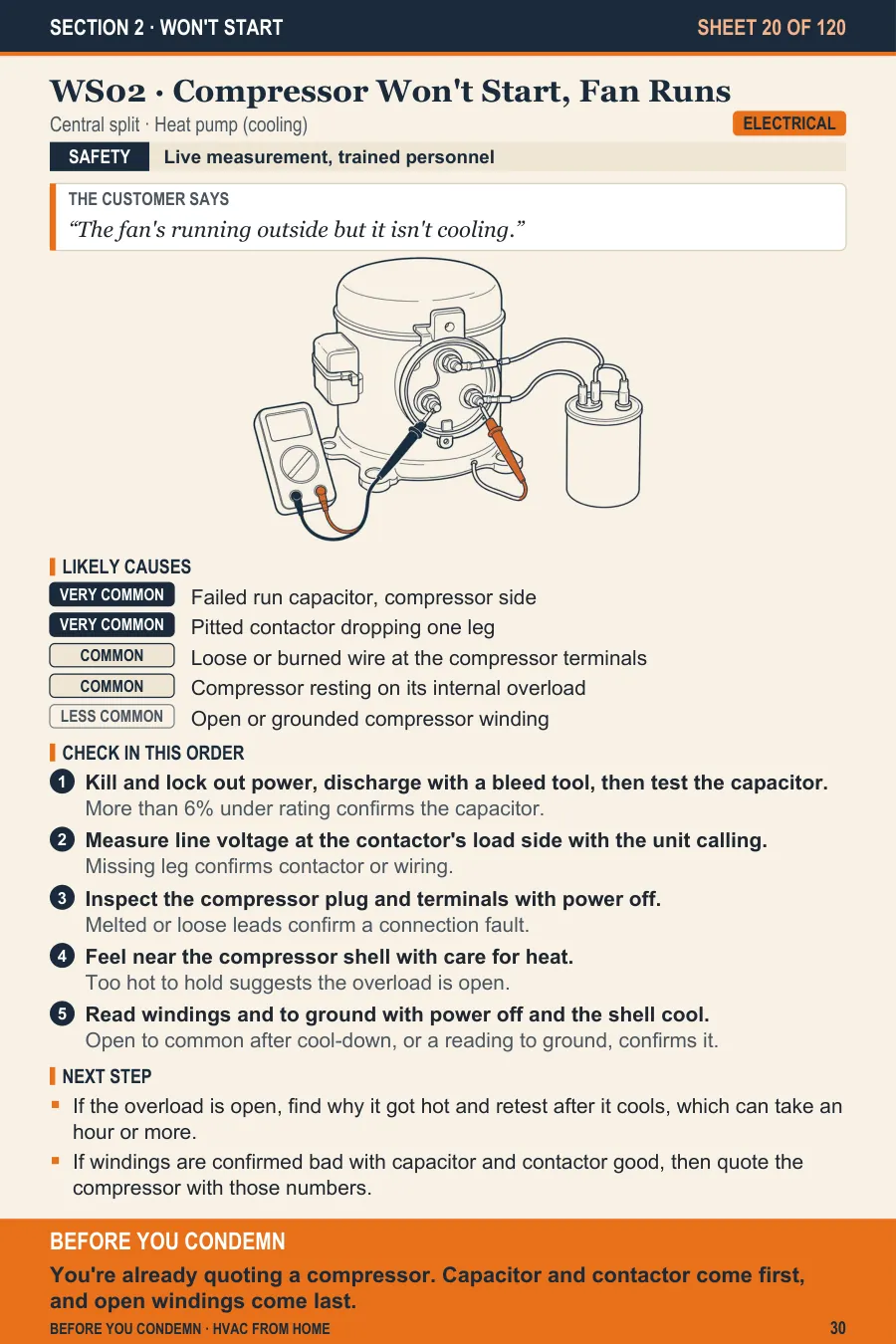
You're already quoting a new compressor. Capacitor and contactor come first on the page, and open windings come last. The checks start far away from it.
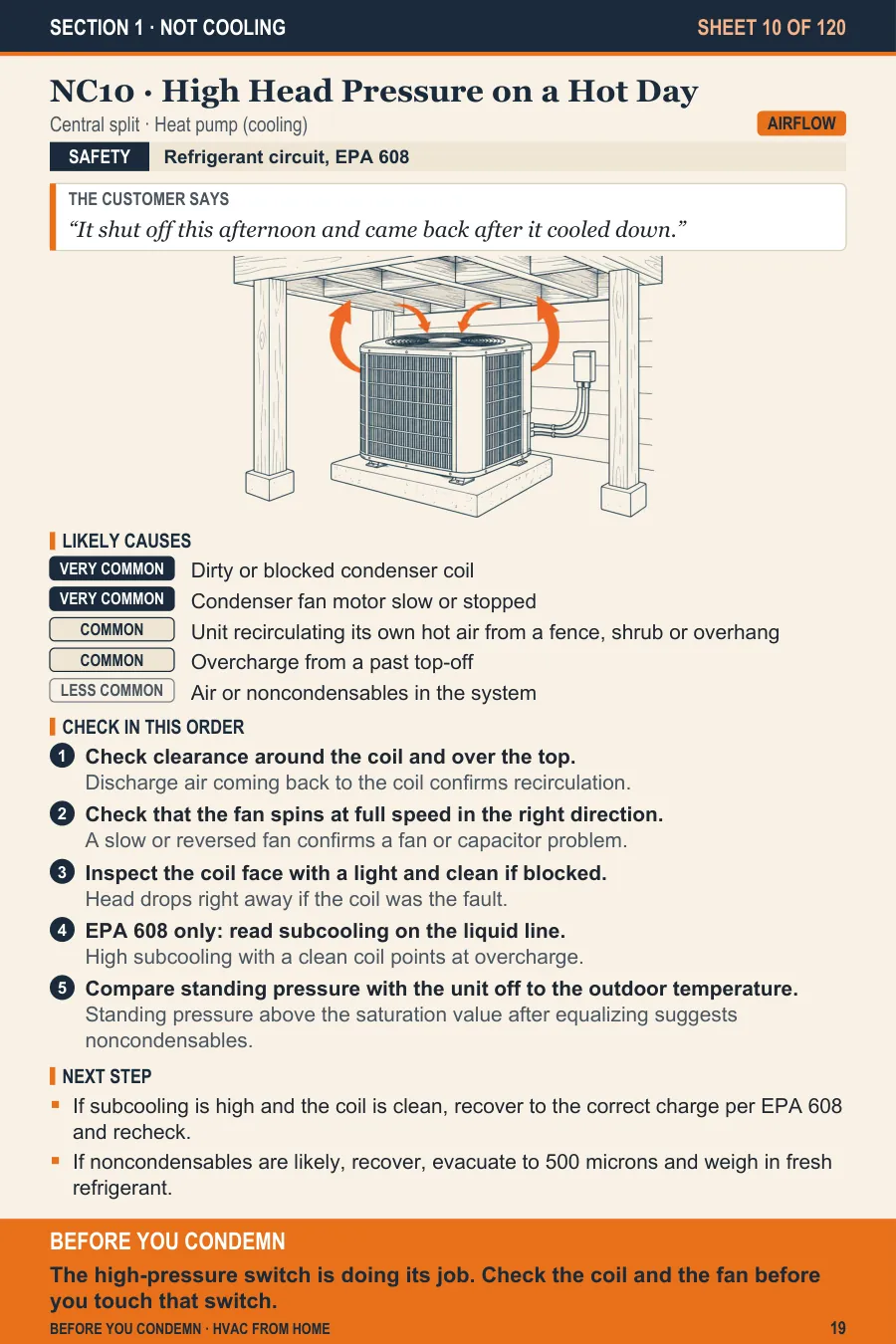
It looks like a bad high-pressure switch. The switch is doing its job, and the coil and the fan come first. Protection isn't the problem.
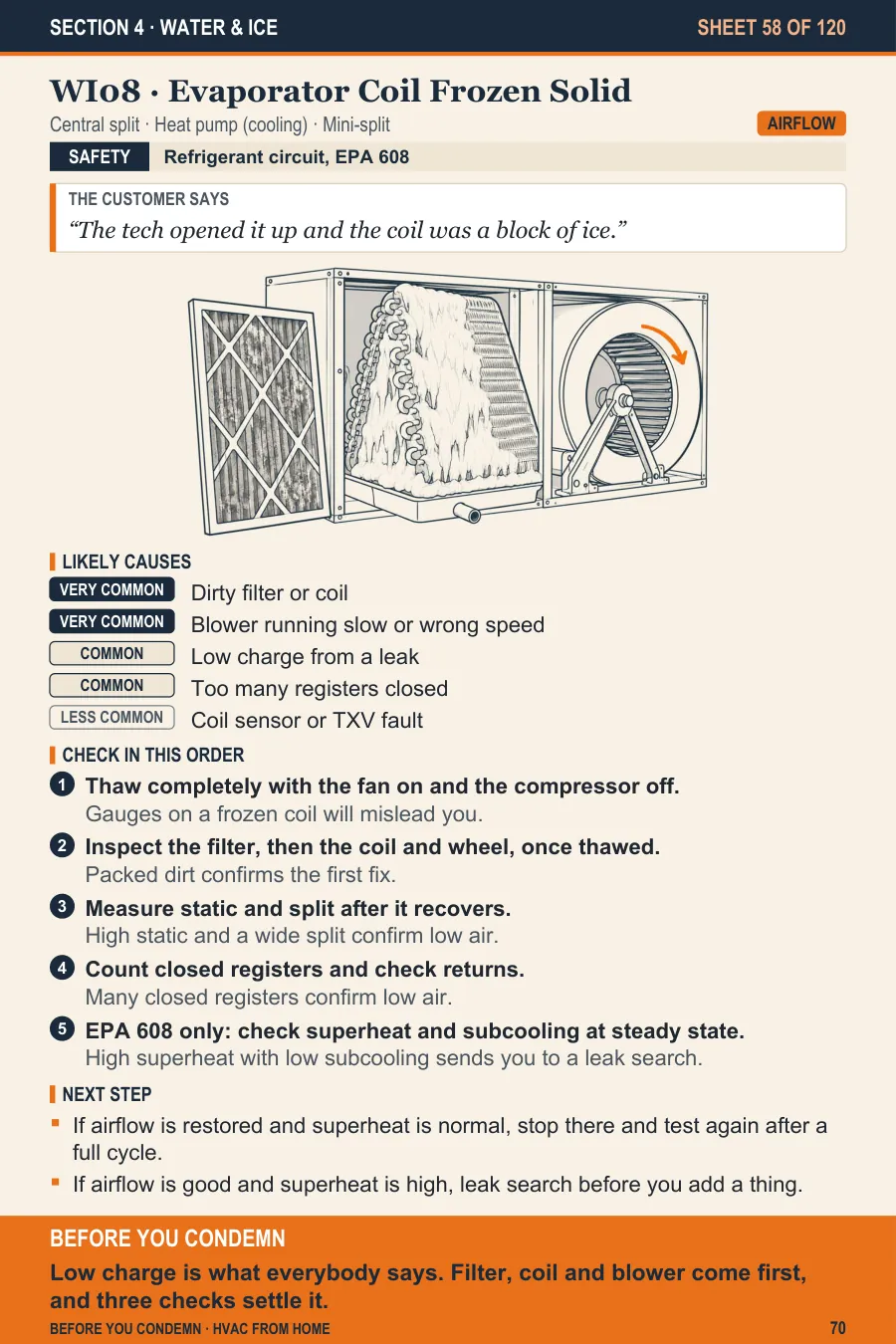
Low charge is what everybody says. Filter, coil and blower speed come first, and it takes three checks. Then you say what you measured, and nothing else.
The customer swears it's weak. Measure in and out at the coil and the argument is over. Sometimes the unit is right.
Every spring the first hot week buries every shop in the country. Phones ring, schedules fill up and people start looking for a guy who can come tonight. The ones who get that call are the ones who are ready for it.
Enough time to read one section a week, save it to your phone and have your ticket and your prices ready before the first hot week.
Extra income starts with what you've already got: time on the tools. Every sheet opens the way the customer says it, then gives you the causes, most likely first. By symptom and by system, never by brand.
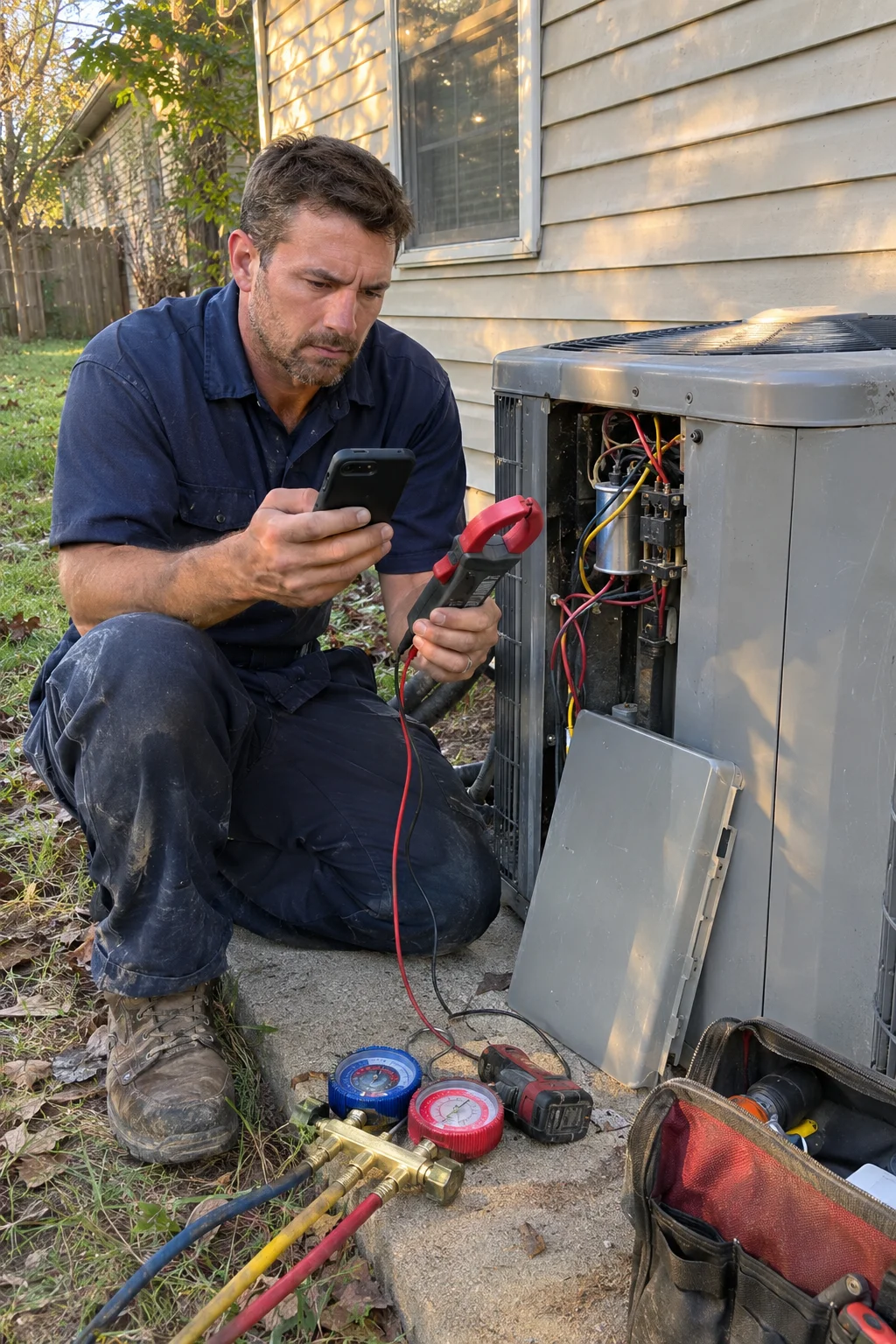
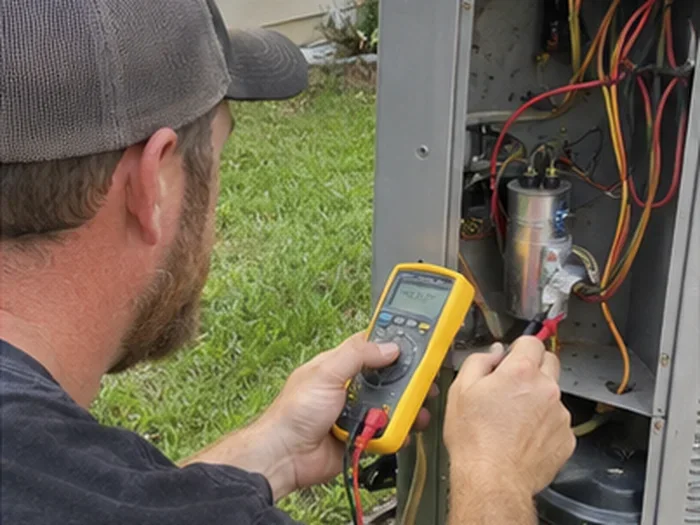
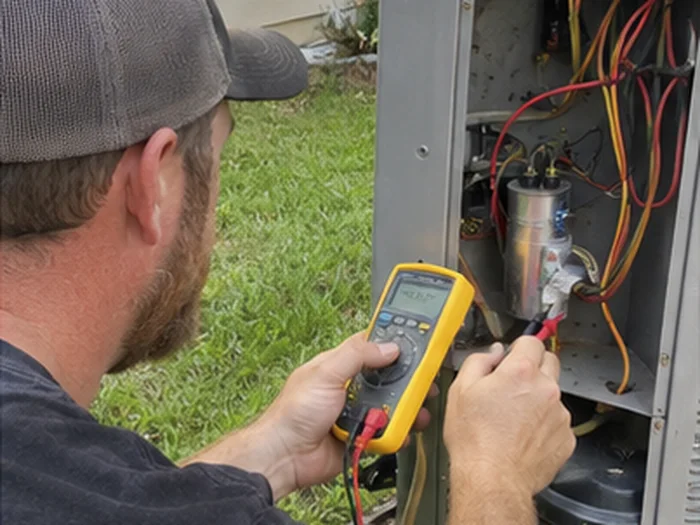
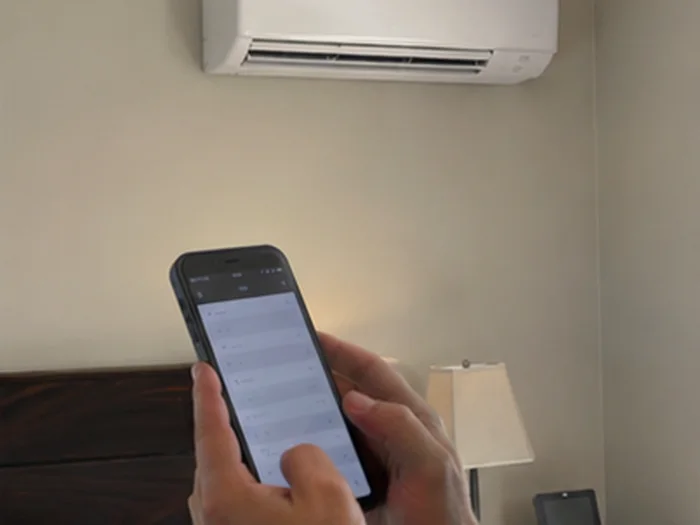
Open the sheet on your phone with the panel off. Each check says what confirms it, and the next step says if you get this, do that.
No shop, no crew, no dispatcher. A call is an hour or two and a one-page ticket. The Starter Kit shows you how to price it and who to tell first.
$27 for the library, plus the meter, the gauges and the phone you already own. It saves to your phone and opens with no signal. No new tools, no subscription.
⚠️ Read this first. This is a reference for people who already work on this equipment. Handling refrigerant takes EPA Section 608 certification, and most states and many cities license HVAC work, often above a dollar limit. Check your rules and your employment agreement before you take a paid call, kill the power before you touch anything and follow the manufacturer's data.
Summer brings the rush, and the rest of the year keeps moving. There's always a clogged drain, a dead board or an error code somewhere near you.
🏠 Homeowners · 🔑 Landlords · 🧾 Property managers · 👵 Older neighbors · 🏪 Small shops · 🔨 Contractors · 🏢 Small offices · ☎️ Word of mouth
$75–250One capacitor, one drain line, one contactor. You stop by after work, you find it and you tell them what you measured.
$100–700The diagnosis, the ticket and the repair, for the homeowner, the landlord or the small shop down the road. And the next call comes to you, not to a dispatcher.
Open the library and run your next few calls with it. If it isn't for you, send one email within 7 days and we'll refund you in full. No forms, no hassle.
Same guy, same truck. He just stopped sending them to the shop.
Dolores ›
Mike ›
Karen ›
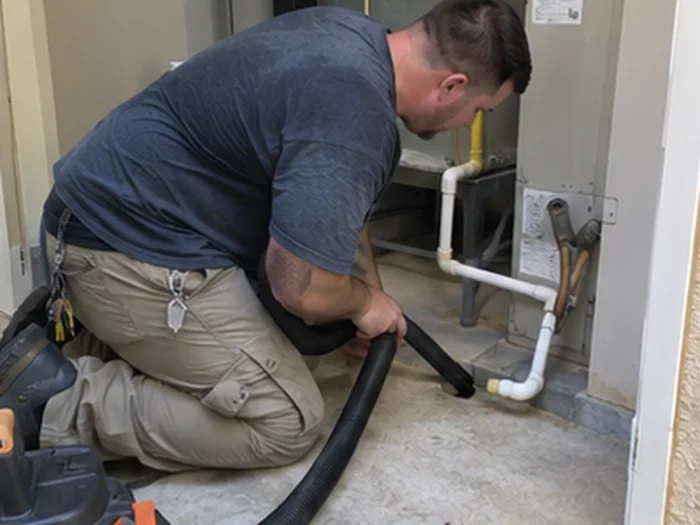
Illustrative conversations based on what HVAC techs share online. Individual results vary.
One evening. Start with Section 1: it's the call you'll get most and the one that brings the most callbacks.
Open the sheet with the panel off and follow the order. Fill out the one-page ticket so you know how it runs.
The Starter Kit walks you through your license, your employer and the number. Then send the message to people who already know you: family, neighbors, a landlord.
Diagnose it, fix it, hand over the ticket, get paid. Then ask who else they know.
That's it. One week. And the next call comes to you.
Every one of these uses the same sheets, the same checklist and the same one-page ticket.
No-cool diagnosticGoes for $100–250
Capacitor replacementGoes for $100–250
Drain line clearGoes for $75–200
Mini-split repairGoes for $300–550
Fan motor repairGoes for $100–700
Thermostat swapGoes for $150–350120 sheets with the same layout, for central split systems, heat pumps in cooling mode and mini-splits, so you always know where to look.
Runs but won't cool, blowing warm, cold air and a warm room, new install that never cooled, long line sets. The call you'll get most, and the one that eats the most callbacks.

Compressor won't start and the fan runs, hard start, humming outdoor unit, no power at the air handler. Where most good compressors get condemned.

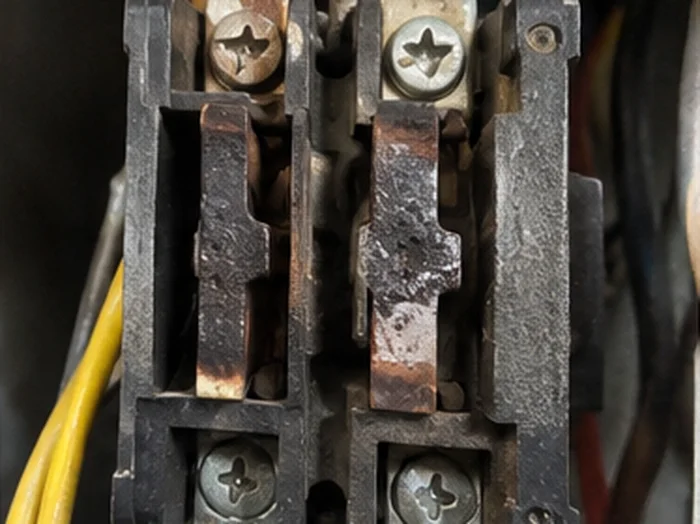
Melted lugs, breakers that trip, burned traces, low voltage, bad grounds. The sheets that stop you from fixing the burn and leaving the cause.

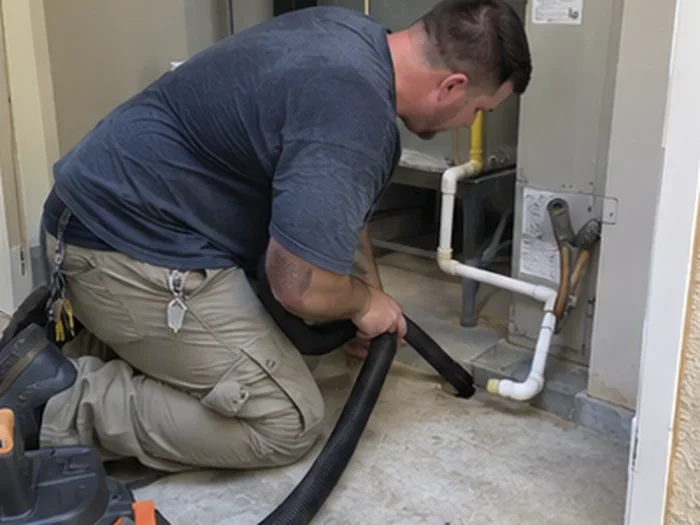
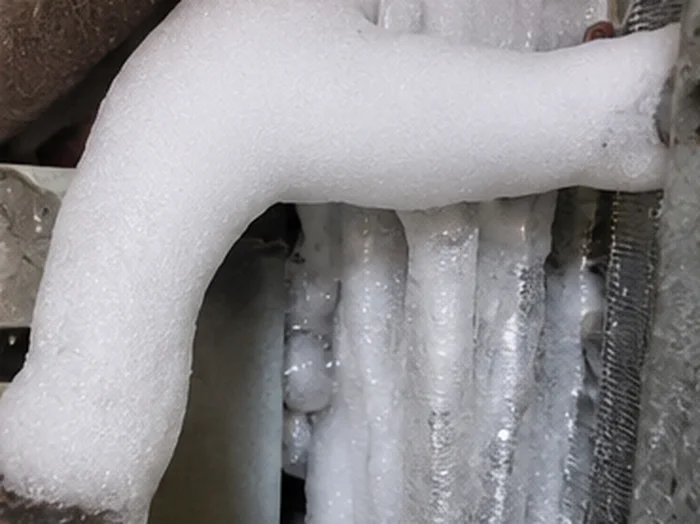
Clogged drains, float switches, water through the ceiling, ice on the line set, freezing evaporators. Filter, coil and blower come before the charge.

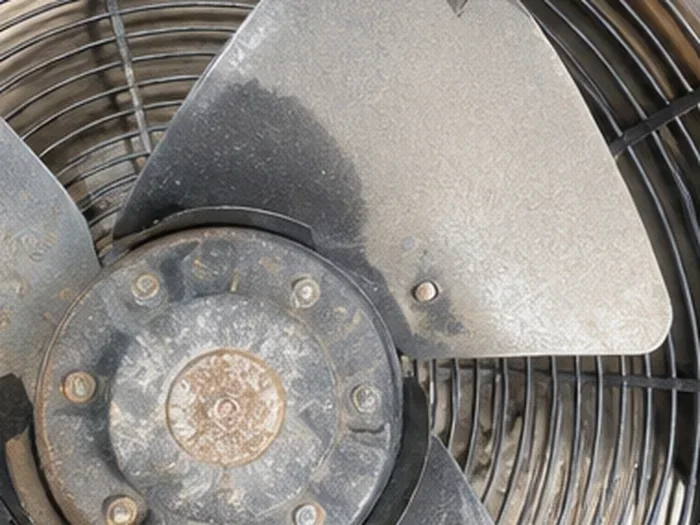
Constant hum at the condenser, blower squeal, rattling panels, hard starts you can hear from the driveway. What each noise is telling you.

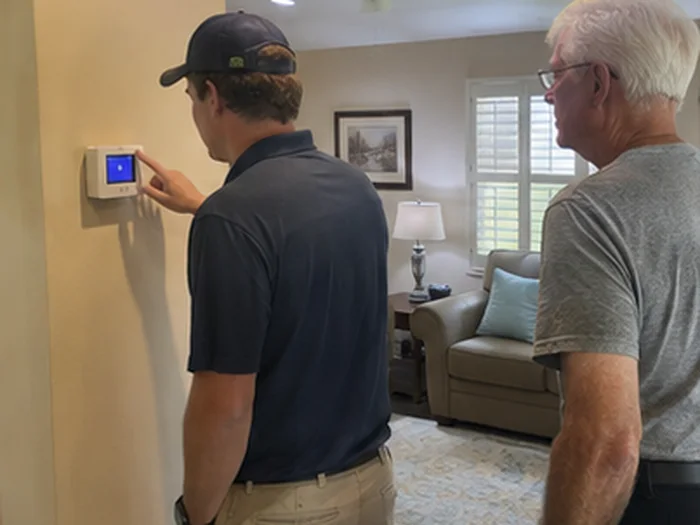
Blank thermostats, no signal, wrong wires, short cycling, remotes and receivers. The sheets that keep you from blaming the unit for a control problem.

How to read a code from the LED, common code families, what a code means and what it doesn't. By symptom, never by brand. A code points at a circuit, and the part still needs proof.

Comm errors between units, inverter compressors, boards, sensors and hot-body shutdowns. The equipment most guys send away, on one page each.

Your extra income starts here: the one-page ticket, the words for the customer and the kit that shows what to check, who to tell, what to charge and what to stay away from. And the checklist you run before you condemn any part.

The same layout on all 120 sheets: the symptom, the causes, the checks in order, the next step and the orange strip.


The same calls, in every town in the country.

“I feel like I am a fraud.”
u/Plane-Asparagus-4266 · r/HVAC
“I used to call tech support daily”
u/LegionPlaysPC · r/HVAC
“the first 3-4 years I was winging it hard”
u/Upset_Opinion_4692 · r/HVAC
“Been on my own since 2nd week.”
u/Specialist_Usual1524 · r/HVAC
“300 for a cap”
u/xfusion14 · r/HVAC
“$271.69 all in all. Labor, travel, and part.”
u/Dry-Leg-4811 · r/HVAC
“they will stop using you as you are no longer as cheap”
u/DietWinston · r/HVACReal words from HVAC techs online, not from buyers of this method. Usernames as posted. Results vary.
No. This is a digital library: you get instant access to every sheet and bonus in your online library the moment you pay. Nothing is shipped. Save it to your phone and it opens with no signal, or print it for the truck.
Often, yes. Handling refrigerant takes EPA Section 608 certification. Most states and many cities license HVAC work, and some let small jobs go under a dollar limit. It changes by state, so check yours before you take a paid call. The Starter Kit shows where to look and which jobs usually need what.
Read your employment agreement first. Some companies have a moonlighting or non-compete clause, and you never take their customers. The Starter Kit walks you through it.
Maybe not on the easy calls. The value is the order: on the hard call, at 6 PM, in the heat, the sheet keeps you from skipping a step. It doesn't teach you refrigeration. It starts from what you already know.
No. It isn't a course and it won't teach you the refrigeration cycle. It's a fast reference for people who already work on this equipment and hold what their state requires.
It is, one video at a time, while the customer stands behind you. Here you find the symptom in two taps and get the checks in order on a single page, with no signal.
No. It's by symptom and by system, for central splits, heat pumps in cooling mode and mini-splits. Your brand's service manual always wins on specs and error codes.
Clean drawings, so the part you need to see is the only thing on the page. Every sheet has the same layout, so you always know where to look.
It depends on your area, your license, your costs and your hours. The prices on this page are market ranges customers pay, not promises of what you'll make. Results are not guaranteed. You may earn nothing.
Almost everybody with a dead AC. Angi's 2026 guide puts an initial HVAC service call at $100 to $250, before parts. That's what companies charge with trucks, an office and insurance behind them, so your number will be your own. The Starter Kit walks you through working it out.
The meter, the gauges and the phone you already have. The sheets never ask you to buy anything new to use them.
You start with people who already trust you: family, neighbors, a landlord you know. The kit gives you the exact messages, and it costs you nothing but a few texts.
Every sheet is built to slow you down before you condemn a part, and the ticket records what you measured. Your own insurance and the manufacturer's data still apply. Kill the power first, every time.
This isn't one of those. No stock, no recruiting, no apps. It's your own trade, on your own time.
Yes. Checkout is secure, your access link arrives by email the moment you pay, and you're covered for 7 days.
Your purchase is covered for 7 days. Open it, run a few calls with it, and if it isn't for you, send us one email and we'll refund you in full.